Fair Water Upgrades Reach Michigan Fairgrounds
Fair Water Upgrades are moving into seven Michigan county fairgrounds after the Michigan Department of Agriculture and Rural Development announced nearly $500,000 in grants on September 16, 2026, for water and wastewater improvements across the state. The awards, detailed in an MDARD announcement, are aimed at basic systems that many visitors may not see but rely on during fair operations: drinking water lines, wells, restroom service, livestock watering, water pressure, fire suppression, and wastewater handling.
Where Fair Water Upgrades Are Funded
Seven County Fairgrounds Received Awards
The September 16 announcement identified seven county fair organizations receiving water-related capital grants. The sites are spread across different parts of Michigan, which means the program is not limited to one region or one type of fairground. Each grant is tied to a specific infrastructure need, and the amounts vary by project.
- Allegan County Fair: $100,000 for water main replacement and fire suppression improvements.
- Fowlerville Family Fair: $80,996 for water system and well improvements.
- Ionia Free Fair: $50,000 to replace drinking water lines.
- Isabella County Fair: $46,829 to restore restrooms and ensure adequate water for livestock.
- Shiawassee County Fair: $55,145 to improve water pressure and separate sewage from lightly used water.
- St. Joseph County Grange Fair: $71,148 to replace old water lines.
- Tuscola County Fair: $92,868 to replace aging water lines.
The largest award went to Allegan County Fair, where the listed work includes both water main replacement and fire suppression improvements. Tuscola County Fair and Fowlerville Family Fair also received larger awards for water line or well-related work. Smaller awards, such as those for Isabella County Fair and Ionia Free Fair, still address core service points that directly affect fair users.
What The Fair Water Upgrades Fund
The Fair Water Upgrades fund practical infrastructure rather than event programming. MDARD said this was the first year it offered the County Fairs Water Infrastructure Capital Improvement Grants, with the program focused on well drilling, water line replacement, filtration, and other water or wastewater improvements. The agency also said it has allocated more than $8.5 million through three separate grant programs to Michigan county fairs since 2019, with attention to infrastructure, aging water systems, agricultural events, and educational facilities.
For residents, the grant list gives a clear view of where state dollars are going and what types of fixes are being prioritized. Water main replacement and drinking water line work point to the age of some fairground systems. Well improvements and filtration-related work speak to water quality and reliability. Restroom restoration, livestock water access, and wastewater separation point to the everyday public-service demands placed on fairgrounds during high-use periods.
How The Grants Connect To Public Health
Why County Fairgrounds Need Water Work
County fairgrounds are seasonal gathering places, but the infrastructure burden can be heavy. Fairgrounds serve visitors, vendors, livestock exhibitors, staff, youth agricultural programs, and emergency or maintenance crews. Water systems must handle drinking water access, handwashing, food service support, restroom use, animal care, and, in some cases, fire suppression needs.
Michigan has 86 county fairs that collectively attract more than 4.5 million attendees annually, according to MDARD. That number helps explain why the state is treating fairground water systems as a public health matter, not simply as a property maintenance issue. A fair may run for a limited period, but the systems behind it need to be reliable before crowds, animals, food vendors, and families arrive.
Public Health And Livestock Needs
The public health link is direct: clean and dependable water helps support safe food service, sanitary restrooms, handwashing, animal care, and basic visitor needs. The grants do not claim to solve every infrastructure issue at Michigan fairgrounds, and MDARD did not provide individual construction schedules for each site in the September 16 announcement. Still, the listed projects show that state funding is being directed toward systems that can affect water access and wastewater handling during public events.
Fair Water Upgrades also matter for agricultural education and livestock exhibitions. Isabella County Fair, for example, received funding tied to restroom restoration and adequate water for livestock. Shiawassee County Fair received funding tied to water pressure and wastewater separation. Those details show how fairground water systems serve both people and animals, and why maintenance failures can affect more than visitor comfort.
Local Oversight And Community Questions
What Residents Can Ask
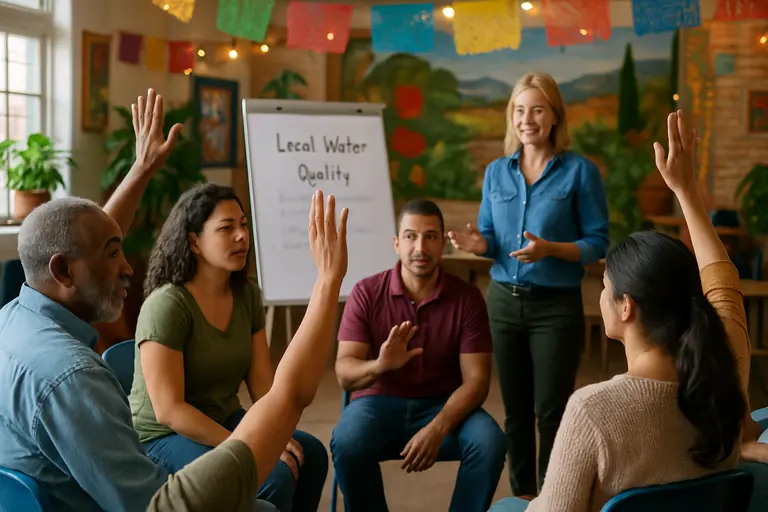
Because these are public grants, residents and fair stakeholders have reasonable questions to ask as projects move forward. Fair boards and county officials can clarify whether local matching funds are involved, whether work will require temporary service interruptions, and how projects will be timed around fair schedules. Residents can also ask how completed work will be inspected, how maintenance will be funded after installation, and whether fairground water systems are connected to municipal service, wells, or another source.
The September 16 announcement named the grant recipients and the type of work planned, but it did not provide site-by-site engineering details. That means local follow-up will matter. The next civic step for interested residents is to watch fair board notices, county commission agendas where fairground funding is discussed, and local health department information if water testing or public water system rules apply to a specific site.
What Fair Boards Can Track
Fair boards receiving grants will likely need to keep close records of project scope, costs, contractor work, and system performance after installation. Clear public updates can help residents understand why water line replacement or well work may be needed, especially at grounds where the problem is not visible to most visitors. A broken pipe, low pressure, or outdated line can remain out of sight until it affects restrooms, livestock areas, food vendors, or emergency response needs.
Good communication is especially important because county fairs draw broad community use beyond the fair week. Many fairgrounds host youth programs, agricultural meetings, auctions, community events, emergency staging, and nonprofit activities. That broader use can make water infrastructure a countywide asset, even when a project is managed by a fair association rather than a city department.
Fair Water Upgrades And Michigan Public Health
Statewide Scale
The scale of Michigan county fairs makes these grants relevant beyond the seven named recipients. With 86 county fairs and millions of annual attendees, water and wastewater systems at fairgrounds touch a large public audience. State investment in those systems can reduce pressure on local fair boards that often manage aging facilities while trying to keep events affordable and accessible. For those looking into similar public-service investments in other regions, you might find related discussions on the Houston LWS Forum.
What Changes Residents May Notice
Residents may not immediately see the full effect of a replaced water line or improved well system. The visible results could be modest: more dependable restroom service, steadier water pressure, better livestock watering capacity, fewer emergency repairs, or improved fire suppression support. Those changes are not dramatic, but they are the kinds of public-service improvements that help fairgrounds function safely.
Fair Water Upgrades are a targeted use of state agricultural and infrastructure dollars, with direct ties to public health, livestock care, and community facilities. The September 16 awards do not answer every question about project timing or local construction plans, but they establish which fairgrounds received support and what work the state agreed to fund. For Allegan, Fowlerville, Ionia, Isabella, Shiawassee, St. Joseph, and Tuscola fair communities, the next measure of success will be how clearly the projects are carried out and how well the upgraded systems serve residents after the work is complete.