Kalamazoo Volunteer Portal Opens for Animal Care
The Kalamazoo Volunteer Portal opened on October 12, 2026, giving residents a new online way to support Kalamazoo County Animal Services & Enforcement, known as KCASE. The county said the portal lets volunteers create a profile, sign up for opportunities, track hours, and view the estimated value of their service through the county’s website, according to the official Kalamazoo County announcement.
Kalamazoo Volunteer Portal Details
Kalamazoo Volunteer Portal Basics
The Kalamazoo Volunteer Portal is a practical change for a program that depends on residents who can give time to animals awaiting adoption, rescue placement, or reunification with owners. Rather than relying only on staff coordination outside the system, the portal creates a single online entry point for people who want to become part of the KCASE volunteer program.
The county’s October 12, 2026 notice described several core functions: profile creation, opportunity sign-ups, service-hour tracking, and a feature that shows an estimated value of time served. For residents, that may make it easier to see where help is needed and keep a clear record of service. For the county, it gives the animal services program a more organized way to match volunteer time with shelter needs.
KCASE is a county agency serving animals and residents across Kalamazoo County. The online tool does not replace the hands-on nature of shelter work. It supports the process around that work, especially for roles that need planning, training, and steady follow-through.
Who Can Take Part
Volunteer requirements remain important. County volunteer information says residents must be at least 18 years old to volunteer independently. Youth ages 12 to 17 may participate with a parent or guardian. A background check and waiver are required. The county also states that KCASE cannot accommodate court-ordered community service through this volunteer program.
Those requirements help set expectations before a resident applies. Animal care work can involve direct contact with dogs, cats, kittens, and shelter routines, so the county’s screening and waiver process is part of managing the safety of volunteers, staff, and animals. Families with teens can still participate, but the parent or guardian role is part of the program structure.
How Volunteers Support KCASE Animals
Hands-On Roles At The Shelter
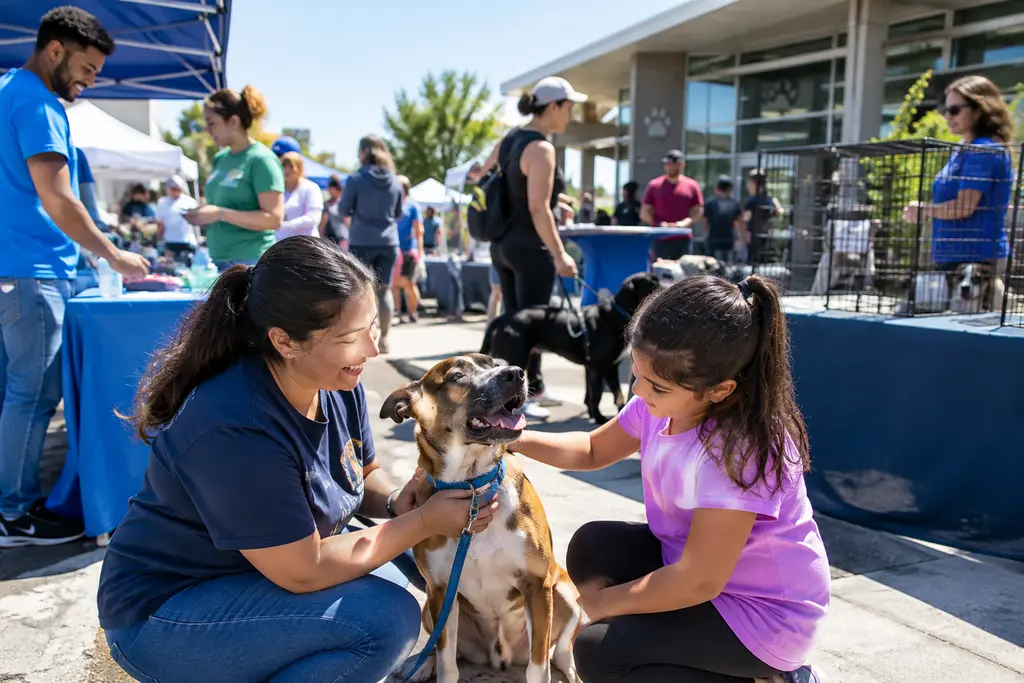
KCASE lists several volunteer roles tied to daily care, enrichment, and adoption support. Opportunities include dog walking, basic training, grooming and bathing, socialization and behavior work, enrichment, photography and videography, and adoption counseling. For cats and kittens, similar support is available, along with bottle feeding for young kittens.
These roles show that animal services work is not limited to one task. Some volunteers may be best suited for direct animal handling. Others may help with photos or videos that present adoptable animals clearly to the public. Adoption counseling also connects volunteer service with residents who are considering bringing an animal into their home.
- Care and comfort: walking, grooming, bathing, socialization, and enrichment.
- Behavior support: basic training and work that helps animals adjust while they wait for placement.
- Adoption support: photography, videography, and adoption counseling.
- Kitten care: cat and kitten support, including bottle feeding for young kittens.
The Kalamazoo Volunteer Portal gives those different service paths a shared online structure. That matters because volunteer availability can vary by person, week, and role. A resident who can walk dogs may have a different schedule than someone who can help with cat enrichment or adoption support. The portal’s sign-up and tracking features are meant to make that coordination easier.
Why The 2025 Numbers Matter
The county’s 2025 animal services annual reporting, as summarized in local research materials, showed that volunteers contributed 1,429.5 hours of care and support for animals awaiting adoption or other placement. The same reporting showed 151 volunteer applications and 85 volunteer orientations in the 2025 volunteer program, described as year-over-year growth in engagement.
Those figures provide useful context for the new portal. A program with hundreds of applications and more than a thousand volunteer hours needs clear systems. The county did not present the portal as a replacement for staff judgment or training. It presented it as a tool to help residents connect with opportunities and keep track of service.
The 2025 annual reporting also showed more than 2,000 animals had positive outcomes through adoption, rescue partnerships, or reunification with owners, with the highest positive outcome rate in five years. More than 1,000 animals were transferred to rescue organizations in 2025 to support foster networks or adoption programs. Those outcomes involved more than volunteer service alone, but volunteers are part of the local support system around the shelter.
What Residents Should Know Before Applying
Time, Training, And Fit
Residents interested in volunteering should start by considering time, comfort level, and role fit. Some shelter roles require direct animal interaction. Others may involve communication, photography, or helping with the adoption process. The background check, waiver, and orientation process are part of the county’s approach to preparing people before they begin.
The portal’s hour-tracking feature may be useful for residents who need a personal record of service, students building a volunteer history outside court-ordered service, or retirees and working adults who want to understand how much time they are contributing. Since the county does not accept court-ordered community service through this program, applicants should not use the portal for that purpose.
For families, the youth policy is clear: ages 12 to 17 may take part with a parent or guardian. That creates a path for young residents to learn about animal care and public service while keeping adult supervision in place. Independent volunteering begins at age 18.
Adoption And Viewing Hours
Residents who want to connect volunteer interest with adoption awareness should also know the public viewing schedule. KCASE adoption and viewing hours are Monday, Wednesday, Thursday, Friday, and Saturday from 10:00 AM to 12:30 PM and 2:00 PM to 4:30 PM. Tuesday has extended public hours from 10:00 AM to 12:30 PM and 2:00 PM to 7:00 PM. Office hours differ slightly, with the office opening at 8:00 AM.
Those hours matter for residents who want to see how the facility operates before applying, or for families thinking about adoption as a separate way to help. Volunteering, adopting, and supporting rescue transfers are different parts of the same local animal services system. Each has its own process, but all connect to the county’s effort to move animals toward safe outcomes.
Community Partners And Public Service Connections

Local Support Beyond One Program
The county portal sits within a broader culture of local service. Animal services is one public-facing area where residents can give time, but the same civic habit appears across neighborhood groups, chambers, school activities, food programs, libraries, and other community efforts. For a related regional resource, residents might visit the Richland Area Chamber site to explore nearby community and business activities.
The public value of a portal like this is straightforward. It lowers confusion about where to begin, gives the county a clearer way to coordinate help, and lets volunteers see their hours in one place. For a county shelter, those process improvements can matter during busy intake periods, kitten care needs, adoption activity, and rescue-transfer coordination.
Residents should still rely on county instructions before showing up to volunteer. The application, background check, waiver, and orientation expectations are part of the program. The portal helps organize interest, but approval and placement remain tied to county procedures.
Kalamazoo Volunteer Portal And Local Animal Care
The Kalamazoo Volunteer Portal is a civic tool with a clear community purpose: helping residents connect their time with the needs of animals in county care. Its launch on October 12, 2026 followed a year in which KCASE reported significant volunteer participation and positive animal outcomes. For residents who meet the requirements, the next step is to review county volunteer instructions through the county website and consider which role fits their schedule and abilities.
The most useful takeaway is not that every resident must volunteer. It is that Kalamazoo County has created a more organized path for those who can. Whether someone is suited for dog walking, kitten care, enrichment, photography, or adoption counseling, the portal gives that interest a formal place to start.