Lansing Affordable Housing Debate Moves Ahead
Lansing Affordable Housing discussions have moved through several tracks since June 1, 2026: completed downtown apartments, a failed tax-abatement ordinance, public comments about existing senior housing, and continuing questions around the city’s modular pod shelter plan. For residents, the issue is no longer only whether new units are being built. It is also whether public incentives, city oversight and housing services are matching the scale of need in Lansing.
Lansing Affordable Housing Decisions Since June
The most concrete change came on June 1, 2026, when the Lansing Housing Commission marked completion of two downtown developments, Riverview 220 and Grand Vista Place. The $42.1 million project added 111 affordable housing units combined, according to WILX reporting on the developments. Riverview 220 includes 56 apartments reserved for low-income residents and retail space, while Grand Vista Place adds 55 affordable apartments.
Those projects put new units in the downtown core, a location that matters for tenants who depend on access to transit, jobs, public services and nearby health care. The city’s housing debate, though, has not ended with ribbon cuttings. Council votes and public comments since then show that Lansing residents and elected officials are still weighing how incentives should be approved and how accountability should work after buildings open.
Why Lansing Affordable Housing Supply Matters
For residents following Lansing Affordable Housing policy, the number of new units is a starting point, not the full measure of progress. The June 1 completions added supply, but the research record also points to continued demand for income-restricted housing. The Lansing Housing Commission’s work downtown is part of a broader set of projects and conversions that have been discussed in 2026, including new rental developments and reuse of older buildings.
The local question now is how public dollars, tax policy and development review can support affordability without weakening public oversight. That concern surfaced sharply during City Council discussion of a proposed Payment in Lieu of Taxes ordinance in late July.
Downtown Projects And Development Pipeline
As of June 30, 2026, the research notes identified several major housing projects moving through downtown Lansing. These projects are not all described as affordable housing, but they affect the same local discussion because added rental supply can shape downtown population, service demand, parking pressure and redevelopment priorities.
- Washington Square Apartments: conversion of a 10-story office building into 66 rental units, with completion expected by fall 2026.
- Tower on Grand: a 28-story building at 235 S. Grand Ave. planned to add 287 rental units.
- Capitol Tower: 120 studio-to-two-bedroom units, with completion expected in early 2027.
- Ingham Building: 25 units, also expected by fall 2026.
These projects place housing growth near state offices, the riverfront and downtown employers. That could support more foot traffic for nearby businesses and create more demand for city services. It may also bring sharper questions about affordability requirements, tenant protections and which projects receive public support.
How State Housing Policy Connects Locally
Lansing’s discussion is unfolding as communities across Michigan review how state housing tools and local zoning choices fit together. A related local policy thread is covered in Michigan housing reforms, which looks at how credits, investor limits and local authority can shape municipal decisions. Lansing’s own decisions remain local, but they sit within that wider Michigan policy environment.
The central local issue is practical: residents need units they can afford, developers need predictable rules, and City Council members are being asked to decide when a project’s public benefit justifies public support.
Council Vote And Public Feedback
On July 27, 2026, Lansing City Council tied 4-4 on a proposed ordinance that would have allowed certain affordable housing developers to claim a 4% PILOT tax break for up to 18 years without a separate council vote or public hearing, if at least 30% of units served low- or moderate-income tenants. Because the vote tied, the proposal failed.
The proposal raised a basic governance question: should eligible affordable housing projects receive a predictable tax structure by ordinance, or should each request continue to come before elected officials and the public? Supporters of a streamlined process often argue that predictability can help projects move faster. Critics tend to point to public review, project quality and tenant outcomes as reasons to keep council votes attached to tax breaks.
PILOT Debate Put Oversight In Focus
The failed ordinance did not end the policy debate. It put oversight at the center of Lansing Affordable Housing talks. A PILOT agreement can be a useful public tool, but residents want to know what happens after an agreement is granted. Questions include how properties are managed, how complaints are handled, and whether city officials have enough information to judge future requests.
Public comment after the July 27 vote added urgency. Residents from The Porter senior building, which the research notes identify as receiving a 40-year, 4% PILOT, raised concerns about management, safety and livability. Speakers cited issues such as pest conditions, security concerns, staff changes and recent deaths. Those statements came through public comment and should be treated as resident reports rather than independent findings unless confirmed by public records or inspection documents.
Even with that caution, the comments show why many residents want housing policy to include both construction goals and follow-up accountability. Affordable units must be safe, stable and well-managed if public support is to meet its purpose.
ModPod Project Questions Remain
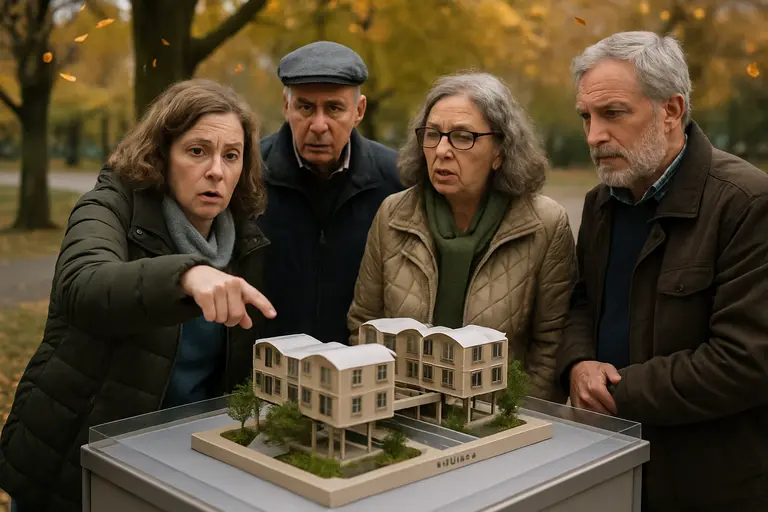
The city’s ModPod project, also known as the NOVA Housing Initiative, remains another major point of public discussion. According to the research record, 50 modular housing units were acquired in summer 2025 and remained in storage as of late August 2026. No construction timeline had been finalized at that point, construction management bids had not been received, postal licensing was still pending, and the earliest realistic opening was projected for Q2 2027.
Public feedback has been mixed. Some residents view the pods as a needed option for moving unhoused people from encampments into safer shelter. Others have questioned the nearly $1.4 million upfront cost for purchase and upkeep, and have asked whether those funds would be better directed toward longer-term housing. The Associated Press reported on Lansing’s plan for a pod city and the debate around its cost, purpose and timeline in coverage of the pod proposal.
Transition Plans Are A Public Concern
A recurring question is how residents would move from pod shelter into permanent housing. Without a clear transition plan, residents and service providers may be left uncertain about length of stay, supportive services, case management and next housing steps. That uncertainty matters because temporary shelter can reduce immediate risk, but it does not by itself create permanent affordability. For those interested in comparing discussions elsewhere, further insights can be found on the Houston LWS Forum, a site publishing related civic coverage.
What Lansing Affordable Housing Decisions Mean Now
The next phase of Lansing Affordable Housing work is likely to turn on three local questions. First, how will City Council handle future PILOT requests after rejecting the July 27 ordinance? Second, what public updates will the city provide on the ModPod timeline, costs and transition planning before Q2 2027? Third, how will the city and Lansing Housing Commission evaluate conditions in publicly supported housing after residents raise concerns?
For Lansing households, the answers will shape access to affordable units, confidence in public incentives and trust in city oversight. The June 1 apartment completions show that new housing can be delivered. The July 27 vote and public comments show that delivery is only one part of the work. Residents are asking for a process that builds housing, protects tenants and keeps elected officials accountable for the public tools they approve.
As of September 17, 2026, the record supports a clear picture: Lansing has added affordable units downtown, more housing projects are moving through the development pipeline, and public debate has shifted toward the rules and safeguards that surround those investments. That is where the city’s housing discussion now stands.