Urban Forestry Grant Supports Lathrup Trees
On August 20, 2026, Lathrup Village received a $75,000 Urban Forestry Grant through the Michigan Department of Natural Resources to support street tree planting, care, and maintenance across the city. The award matters for residents because street trees are part of daily neighborhood life: they shade sidewalks and roads, help manage stormwater, and add long-term value to public spaces. As of November 7, 2026, the grant had been approved and allocated, while specific planting schedules had not yet been fully detailed.
Urban Forestry Grant Details For Lathrup Village
Urban Forestry Grant Amount And Source
The City of Lathrup Village announced that the $75,000 award was made on August 20, 2026, and said the funding will support new street trees, maintenance of existing trees, and related work intended to protect the long-term health of the city’s urban forest, according to the city press release. The same announcement said the grant funding comes through the Michigan DNR’s Urban and Community Forestry Assistance Grant Program, which is financed through the U.S. Department of Agriculture Forest Service.
The Urban Forestry Grant is part of a wider state funding round. The Michigan DNR’s 2026 UCFA Grant Awardee List, released in August 2026, listed Lathrup Village as an approved recipient and showed the $75,000 allocation in the 2026 grant cycle, as documented in the DNR awardee list. The city also reported that the statewide distribution totaled nearly $650,000 for 15 communities and organizations across Michigan.
How The Project Was Shaped
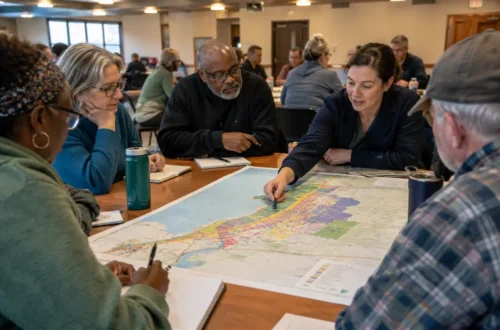
Lathrup Village said its Tree Committee helped secure the funding. Early in 2026, the committee conducted a community survey to identify resident priorities for tree-related projects, and that feedback helped inform the grant application. That process gives the award a clear civic link: the project was not framed only as a maintenance task, but as a response to local priorities gathered before the application was submitted.
For a small city, this kind of public input can help focus limited resources. The available city information does not list the exact number of trees to be planted, the blocks to be prioritized, or the dates when work crews will begin planting and maintenance. That means residents should treat the award as an approved funding step rather than a finished project. The next practical milestone will be the city’s release of more detailed implementation information.
How Tree Funding Supports Daily Community Life
Street Trees And Public Benefits
For residents, the Urban Forestry Grant connects to several public benefits cited by Lathrup Village and the DNR. The city’s announcement identified improved air quality, neighborhood cooling, stormwater management, decreased energy costs, and better quality of life as reasons to invest in the urban forest. Those benefits are especially relevant in places where street trees line public rights-of-way, shade homes and sidewalks, and help absorb rainwater before it reaches drains and roadways.
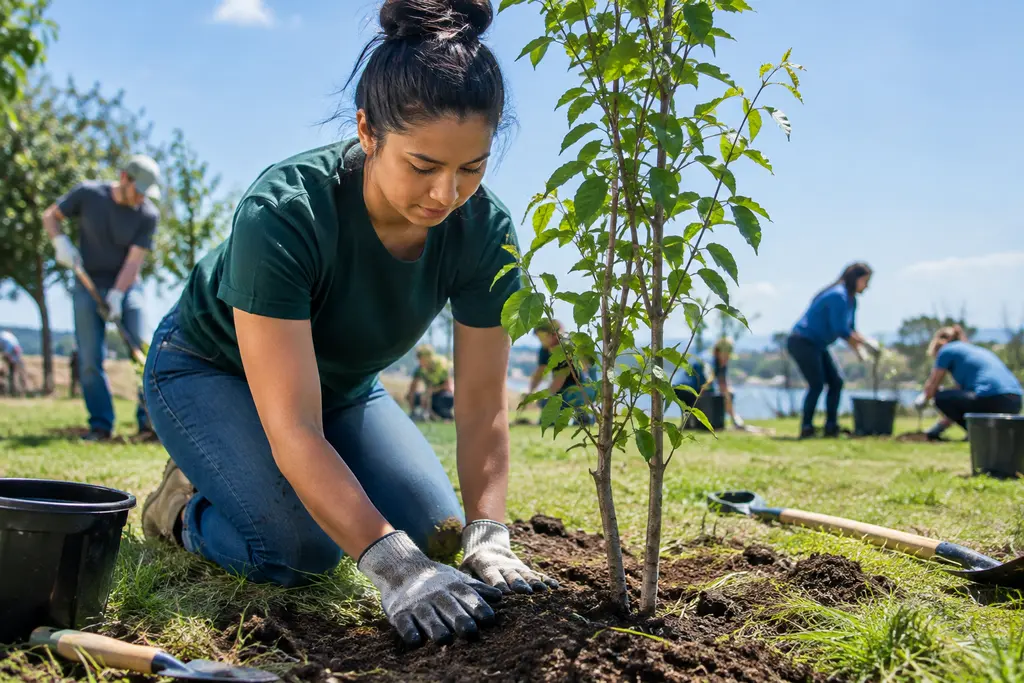
The grant also helps keep attention on tree care, not only tree planting. New trees need suitable locations, proper planting, watering, and follow-up maintenance. Existing trees may need care so they can remain healthy and safe in public areas. The city’s stated use of the funding includes planting new street trees and maintaining existing ones, which suggests the work is intended to support both expansion and stewardship of the local canopy.
What Residents Know So Far
As of November 7, 2026, the key confirmed facts are straightforward: Lathrup Village received $75,000; the money was awarded through the Michigan DNR’s Urban and Community Forestry Assistance Grant Program; the funding is connected to street tree planting, care, and maintenance; and the project was informed by Tree Committee outreach earlier in 2026. The city has not yet provided a fully detailed public planting schedule in the research materials available for this report.
That uncertainty is worth stating clearly. Residents may want to know whether trees will be planted near their homes, whether maintenance will affect parking or road access, and how the city will choose planting sites. Those answers were not included in the grant announcement. Until the city releases more detail, the most accurate reading is that implementation is expected in the coming months, with project specifics still to be announced.
Regional Context And Civic Partnerships

Statewide Awards In August 2026
The Lathrup Village award was one part of a Michigan DNR funding round that reached 15 communities and organizations. Projects funded under the 2026 cycle included work tied to street tree plantings, park improvements, public tree inventories, and tree care projects. In that context, Lathrup Village’s $75,000 allocation placed the city among the recipients receiving a significant local investment for tree-related public work.
Urban forestry projects are often visible neighborhood investments because they appear along streets and near homes rather than only inside municipal buildings or back-office systems. That can make public communication especially important. Residents are more likely to notice planting activity, tree removals, pruning, watering, or site preparation when the work happens near sidewalks, driveways, and streets they use every day.
Community Information Channels
Clear communication will help residents understand how the grant moves from approval to action. City notices, public meeting updates, and department announcements can explain where planting or maintenance will occur, why certain areas were selected, and how residents can report concerns about public trees. Community groups, neighborhood associations, and business networks can also help share official updates. Readers who are keen on nearby developments can explore more through the Trinity Chamber to stay informed.
The strongest public value will come from matching resident awareness with city planning. If Lathrup Village identifies planting areas, maintenance windows, or public participation steps, residents will be better prepared to understand the work and support tree health after planting. That is especially true if young street trees need watering or protection during their first years.
Next Steps For Lathrup Village’s Tree Canopy
What City Updates Could Clarify
Because the Urban Forestry Grant has been approved but not fully scheduled in the available public information, several practical details remain open. Future city updates could clarify the number of trees planned, the criteria for selecting streets or sites, the expected planting season, maintenance responsibilities, and whether residents will have a way to request consideration for public tree planting near their blocks.
- Which streets or public areas will receive new trees or maintenance work.
- How the city will balance new planting with care for existing trees.
- Whether residents will receive notices before work occurs near their properties.
- What steps residents can take to support newly planted street trees.
These are ordinary implementation questions, not signs of a problem. Grant awards often come before the detailed public schedule. The city’s next notices will be important because they can connect the funding announcement to what residents will see on the ground.
Resident Priorities And Public Stewardship
The Urban Forestry Grant gives Lathrup Village a funded opportunity to advance tree planting and maintenance with community input already part of the process. The Tree Committee’s early 2026 survey showed that resident priorities were considered before the award was secured. That connection between public input and state-supported funding is a practical example of local civic work shaping a visible neighborhood investment.
For now, the most useful takeaway is measured and specific: Lathrup Village has $75,000 in approved urban forestry funding, the work is intended to support street trees and long-term urban forest health, and more detailed implementation information is still needed. As the city releases schedules and site details, residents will have a clearer picture of how the grant will affect their streets, public spaces, and daily neighborhood environment.