Bass Lake Improvement Project Hearing Details
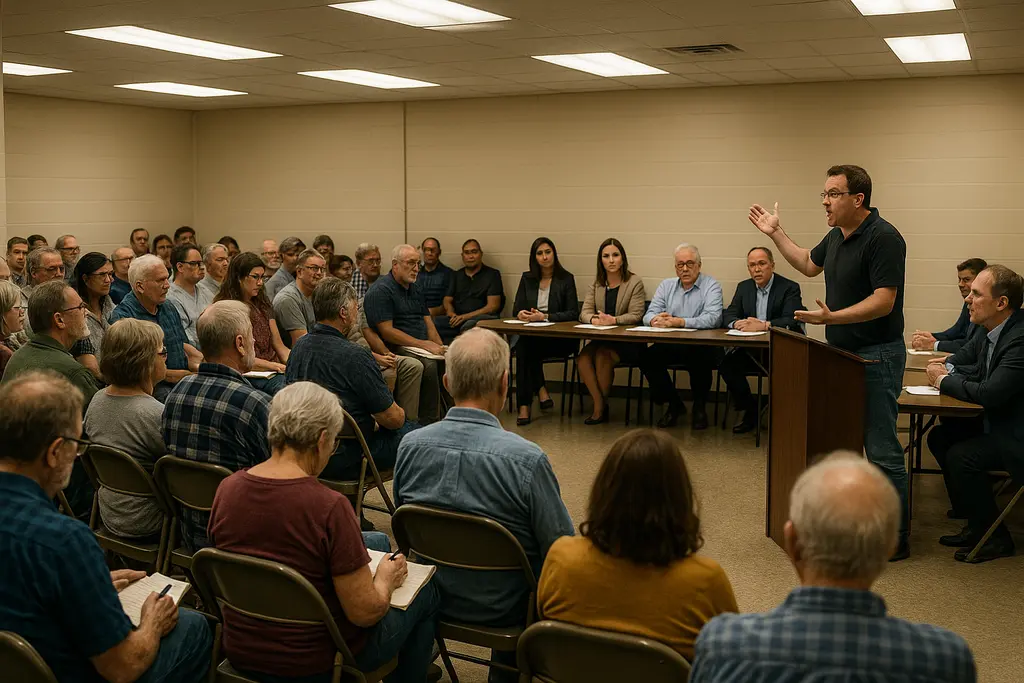
The Bass Lake Improvement Project drew public attention in Summit Township after the Bass Lake Improvement Board scheduled a public hearing for Aug. 6, 2026, at 7 p.m. at Summit Township Hall. The notice was posted through the township’s official News & Notices page, giving lake residents, property owners and other interested residents a formal setting to follow lake-management decisions that affect water quality, assessments and public services around Bass Lake.
Bass Lake Improvement Project Public Hearing
What The Hearing Covered
The public hearing centered on lake-improvement work tied to Bass Lake, including the financial and environmental questions that have shaped recent board discussions. The research record provided for this report includes prior Bass Lake Improvement Board minutes from September 2023 and September 2024, along with the 2026 public hearing notice. Those records show recurring attention to assessments, aquatic nuisance plant control, phosphorus testing, aeration, dry hydrants and public participation.
Because the final minutes from the Aug. 6, 2026, hearing were not included in the research record, this report does not claim any new final vote from that hearing beyond the fact that the hearing was scheduled and held at Summit Township Hall. The better-supported public record shows the issues that the board and residents have been tracking over multiple meetings, and those issues remain central to how the project is understood by residents around the lake.
Bass Lake Improvement Project Record
The Bass Lake Improvement Project has been handled through a special-purpose board structure focused on lake conditions and related property assessments. Prior board records show that the board decided to maintain the current assessment rate for 2025, with the stated goal of aligning expenditures with revenues. For affected property owners, that matters because assessments are the primary local funding tool for lake-improvement work.
The available records also show that the board has considered technical and service-related questions, not only shoreline treatment. That includes water-quality testing, aquatic plant control, possible fire-protection improvements and whether certain lake-management equipment would provide value for a lake of Bass Lake’s size. Readers who are following similar civic and environmental issues can find related coverage at Houston LWS Forum, a related site in the same network.
Assessment And Spending Issues
Assessment Rate For 2025
One of the clearest items in the research record is the decision to keep the current assessment rate for 2025. The stated reason was to align spending with revenue. That decision does not mean costs are static, but it does show that the board was weighing lake-service needs against the amount collected from assessed properties.
For residents, the Bass Lake Improvement Project is not only an environmental program. It is also a local finance issue. Assessments can affect property owners directly, so the board’s public discussions give residents a way to see how treatment, testing and contracted services are being paid for. In a township setting, that kind of record is often the most practical way for residents to understand why a charge appears and what service it is intended to support.
Voucher Orders And Weed Treatment Costs
The September 2023 board record included a treasurer’s report with voucher orders totaling $115,173 for services connected to lake improvement. The research record also notes payments of $16,910 and $75,750 to Aquatic Nuisance Plant Control for aquatic nuisance plant control work. Those figures show that weed-treatment expenditures have been a major part of the project’s recent cost structure.
Aquatic plant control can be a recurring expense for inland lakes because treatment often depends on seasonal conditions, the type of vegetation present and the service plan approved by the responsible board. The records provided do not include a full breakdown of every treatment area or method, so this report does not state more than the documented payments and the purpose identified in the meeting materials.
- The board kept the 2025 assessment rate at its current level, according to the research record.
- The treasurer’s report in the 2023 materials listed voucher orders totaling $115,173.
- Payments listed for aquatic nuisance plant control included $16,910 and $75,750.
- A $5,000 budget item was approved for phosphorus testing in fall 2024.
Water Quality And Public Safety Questions

Phosphorus Testing At Three Inlets
The funding picture for the Bass Lake Improvement Project also includes scientific testing. The board approved a $5,000 budget for phosphorus testing in fall 2024 to identify major inputs from the lake’s three inlets. That testing is significant because phosphorus can contribute to algae and plant growth when it enters a lake in higher amounts, though the research record does not provide test results.
For residents, the key point is that the board was not relying only on treatment after plants appear. The phosphorus testing plan suggests an effort to understand where nutrients may be entering the lake. If results are later released, residents would be able to compare any future recommendations against identified inlet data rather than general assumptions.
Aeration Systems And Dry Hydrants
The board also discussed aeration systems and whether they would be cost-effective for a large lake like Bass Lake. The research record notes concerns about high electricity costs and existing good oxygen levels. Based on that record, the discussion appears to have been practical: whether the benefits would justify the operating costs for this specific lake.
Dry hydrants were another public-service issue in the board materials. The records show discussion about installing additional dry hydrants to improve fire protection, especially during winter months. A dry hydrant can give fire crews access to a water source in areas where standard hydrants may not be available, but the research record does not identify final installation locations or a construction schedule.
Public participation was also part of prior meetings. The research record notes that members of the public attended and provided input, including the vice president of the Bass Lake Property Owners Association. That kind of participation is relevant because lake boards often make decisions that affect both environmental conditions and property assessments.
Resident Questions For The Bass Lake Improvement Project
Records Residents May Want To Review
Residents trying to track the Bass Lake Improvement Project should watch for posted minutes from the Aug. 6, 2026, public hearing, future assessment notices and any reports tied to phosphorus testing. Those records would show whether discussion from the hearing led to new board action, changed spending priorities or next steps for testing, treatment or public-safety improvements.
The September 2023 and September 2024 minutes cited in the research record remain useful background because they identify the major categories of work already discussed: assessments, weed control, nutrient testing, aeration and dry hydrants. If new minutes are posted, residents should compare them with the prior record to see what changed, what stayed pending and what costs are tied to each item.
Why The Issue Matters Locally
The Bass Lake Improvement Project affects more than one set of property owners. Lake condition can influence recreation, shoreline maintenance, emergency access and township-level service planning. At the same time, the project is funded through assessment decisions that property owners are entitled to review and question in public settings.
The available records show a board balancing treatment costs, testing needs and practical service questions. The next useful public document will be the formal hearing record or any follow-up board materials that state what action, if any, was taken after the Aug. 6 hearing. Until those records are available, the most reliable account is that Summit Township hosted the public hearing and prior board materials document the main issues now before residents: assessment funding, weed-control spending, nutrient testing, aeration costs and dry hydrant discussions.