Scripps literacy programs earn state library honor
Scripps literacy programs drew state attention on September 28, 2026, when the Scripps Middle School Media Center in Lake Orion was named a Model School Library for the 2026–2027 school year. The Library of Michigan granted the media center an “Exemplary” status that is valid through February 2027, according to the state announcement. For Lake Orion families, the recognition is more than a school honor. It points to literacy work that reaches sixth-, seventh-, and eighth-grade students, connects classroom learning with community resources, and gives other Michigan educators a working model to study.
What Scripps literacy programs gained
The Model School Library designation was awarded through the Michigan School Library Evaluation Program benchmarks. In practical terms, the recognition places the Scripps Middle School Media Center among school library programs identified by the state as examples of high-quality practice. The state release tied the award to Michigan’s education priority of improving student literacy, with school libraries and school librarians named as part of that work.
Why the award matters locally
Lake Orion residents often see school success through test results, classroom programs, and student activities. This award adds the school library to that public conversation. A middle school media center is not only a place to check out books. Based on the state description, Scripps uses its media center for research instruction, career preparation, curriculum projects, and student access to outside learning partners. That broad use matters because literacy in middle school is tied to how students read, evaluate information, write, and apply knowledge across subjects.
As of October 22, 2026, the Exemplary status remained valid through February 2027. That time frame gives educators, families, and partner organizations a clear window to observe what the recognition represents. It also gives other schools and districts a nearby example of a media center that has been reviewed against state benchmarks rather than described only through local praise.
Why Scripps literacy programs matter beyond one campus
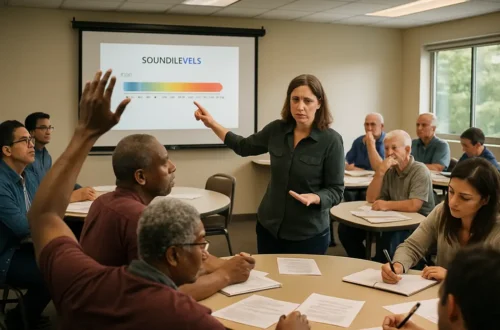
For families, Scripps literacy programs show how library services can support more than reading assignments. The state reported that media specialist Rebecca Lowe coordinates Career Development Portfolios for all students, leads library research orientations, and supports collaborative curriculum activities. Those activities include STEM Days, Book Tastings, Blackout Poetry, Hour of Code, and other learning experiences named in the state release.
Those examples show a literacy approach that is applied across school life. Research orientations can help students learn how to find and judge information. Book Tastings can introduce students to titles and genres they may not choose on their own. Blackout Poetry connects reading with creative writing. Hour of Code and STEM Days link literacy with problem-solving, instructions, and technical language. The award does not claim that one activity alone raises achievement, but it does identify a school library program built into daily academic work.
Student Results And Daily Library Work
Scripps Middle School serves grades 6–8, enrolls 446 students, and has a student-teacher ratio of 13:1, according to Public School Review. The same profile reports that 68% of Scripps students are proficient or better in reading/language arts, compared with 45% statewide in Michigan. In math, Scripps is listed at 64% proficiency, compared with a 35% state average.
Reading numbers and what they can show
Those figures are useful, but they should be read carefully. They do not prove that the media center alone caused the higher proficiency rates. Student outcomes reflect many factors, including classroom instruction, family support, staffing, curriculum, and district resources. What the numbers do show is that the Model School Library award was given to a school where reported reading and math proficiency are above state averages.
That distinction matters for civic discussion. If residents are weighing the value of school library investment, the Scripps example gives them a concrete local case to examine. The media center’s recognition can help frame school board and parent conversations around services that support reading, research, and information skills. It also gives families a way to ask specific questions: How often do students use the media center for research? Which classroom projects connect with library instruction? How are students introduced to books, databases, and career materials?
Library work across subjects
The state’s description of Scripps points to a media center connected to multiple subjects and grade-level needs. Career Development Portfolios bring future planning into middle school. STEM projects rely on reading directions, recording observations, and communicating results. Poetry projects ask students to interpret text and create meaning. Coding activities introduce vocabulary and logic that students can carry into science, math, and technology classes.
This is where a school library can become visible to the wider community. Parents may first think of the library as a book collection, but the Scripps recognition shows a program that also supports classroom teachers and community partnerships. For students in grades 6–8, that support comes at a point when reading demands often become more subject-specific. Students are expected to read informational text, cite sources, and explain their thinking in more detailed ways than in earlier grades.
Community Partnerships Around Literacy
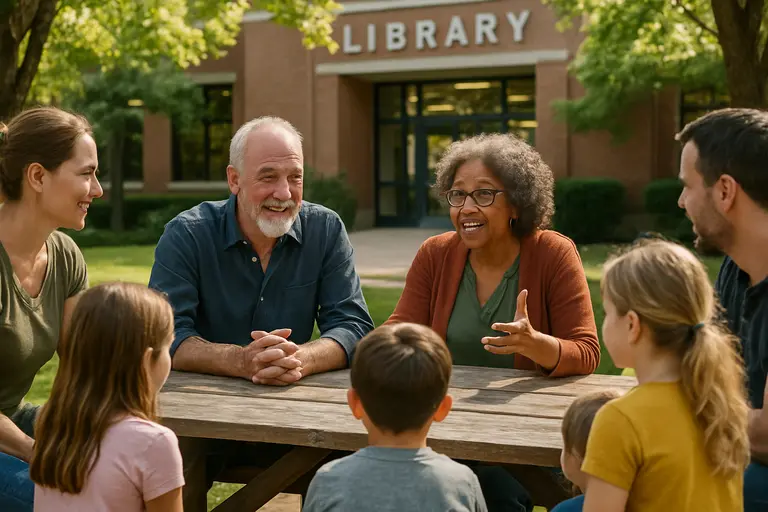
The state release reported that the Scripps media center connects students with public libraries, brings in external speakers on career topics, and engages community volunteers in STEM projects. Those partnerships are a central part of the community benefit. They connect school learning with local knowledge, public resources, and adults who can show students how reading and research are used outside the classroom.
How Scripps literacy programs connect students and partners
Scripps literacy programs give public libraries and volunteers a defined place in school life. Public library connections can help students and families continue reading and research after the school day. Career speakers can show how communication, information use, and planning appear in different jobs. STEM volunteers can bring hands-on projects into contact with reading, measurement, and explanation.
That partnership model is especially relevant for a community such as Lake Orion, where schools, families, and local institutions share responsibility for youth development. The award gives residents a named example of school-community coordination rather than a general statement that partnerships are helpful. It identifies specific practices and activities that can be discussed, repeated, or adapted.
Readers who want related local coverage can read more about the Scripps model library award and its local significance. For readers interested in broader discussions around community education, the Houston LWS Forum provides a complementary platform within the same network.
- Students benefit from research orientations, reading exposure, career planning, and curriculum-linked library projects.
- Families benefit from a clearer view of how the school supports literacy beyond classroom reading assignments.
- Public libraries, speakers, and volunteers gain structured ways to support student learning.
- Other schools and districts can consult with Scripps staff about practices recognized by the state.
What The Scripps Award Means For Lake Orion
The Model School Library recognition gives Lake Orion a specific education asset to follow. Because the state described Scripps as an exemplar, staff there are available to consult with other schools, districts, and librarians interested in developing or expanding similar programs. That consulting role extends the award beyond one building and may help spread tested practices across Michigan.
A civic measure for school library value
For residents, the award offers a practical measure of school library value. It identifies a program reviewed through state benchmarks, connected to student literacy goals, and linked with community resources. It also gives families a reason to pay attention to school library staffing, access, and programming in the same way they may already track class size, test results, and course offerings.
The practical value of Scripps literacy programs is that they connect reading with research, careers, public library use, STEM activities, and classroom projects. The award does not settle every question about how schools should support literacy, but it gives Lake Orion a clear local example to study. For parents, educators, and community partners, the next civic step is straightforward: keep asking how the media center’s recognized practices are being maintained, shared, and connected to student needs through February 2027 and beyond that recognition period.