Michigan City Zoning Workshops Explained
Michigan City Zoning is drawing closer public attention as residents track how the city handles data center rules, Board of Zoning Appeals cases, and future workshops tied to land-use policy. The clearest scheduled civic stop after October 29, 2026, is the Board of Zoning Appeals meeting on Tuesday, November 10, 2026, based on the board’s regular second-Tuesday meeting schedule.
Why Michigan City Zoning Workshops Matter Now
What Michigan City Zoning Questions Cover
Land-use meetings can sound technical, but they affect routine community concerns: where certain uses may be allowed, what conditions may apply, and how residents can comment before decisions are made. In Michigan City, those questions have become especially visible because of the public debate around data center development and possible permanent zoning amendments.
The Board of Zoning Appeals is one standing venue for property-specific zoning matters. The city says the board meets at 6:00 PM CST on the second Tuesday of each month in Council Chambers at City Hall, 100 East Michigan Boulevard, according to the city’s Board of Zoning Appeals page. That regular meeting cycle gives residents a predictable place to watch zoning-related requests and public discussion.
Separate from the Board of Zoning Appeals, the Common Council has also taken up a Data Center Moratorium ordinance. At the September 15, 2026, council meeting, the ordinance was introduced as a hold on approvals and permits related to new data center development, while assigning the Planning Commission work on permanent zoning amendments. The same council record refers to at least two public workshops or hearings to gather input on data center safety and operational impacts, including noise, water use, and light pollution, before permanent regulations are adopted, according to the September 15 council record.
What Is Confirmed And What Is Not Yet Clear
Residents should separate confirmed meeting structure from items that still need official posting. The Board of Zoning Appeals has a regular monthly schedule. The workshop requirement connected to data center rules has been discussed in council materials, but the cited record does not provide a full workshop calendar in the material reviewed here. That means residents should verify dates through city agendas before making plans to speak.
This distinction matters because public participation works best when people know which body is taking comments and what question is before that body. A Board of Zoning Appeals item may focus on a variance or appeal. A Planning Commission workshop may focus on draft zoning language. A Common Council hearing may focus on adoption of an ordinance. Each setting may have a different purpose, even when the same broader issue is being discussed.
How Residents Can Use Michigan City Zoning Meetings
Preparing Comments For A Public Hearing
People who want to comment can make stronger use of the public record by connecting their remarks to the decision at hand. For a data center discussion, that may mean focusing on measurable topics named in the council record, such as noise, water usage, light pollution, safety, and operational impacts. For a Board of Zoning Appeals item, it may mean reviewing the specific request, the address, and the zoning standard under review.
Residents do not need to be planning experts to take part in Michigan City Zoning discussions. Clear, local comments often help public boards identify practical issues: nearby traffic patterns, stormwater concerns, neighborhood compatibility, hours of operation, lighting, access points, or the need for clearer conditions. The most useful comments are specific and tied to the public body’s authority.
- Check the posted agenda before the meeting to confirm the item is scheduled.
- Write down the case name, ordinance title, or address being discussed.
- Keep comments focused on land use, public impacts, and the decision being considered.
- Ask whether written comments are accepted if you cannot attend in person.
- Track whether the item is being heard for discussion, a vote, or a future recommendation.
For residents following the data center issue in particular, a local background piece on the data center moratorium may help place the zoning process in context. Regional readers interested in community networking can explore similar initiatives through the Trinity Chamber.
Why Process Details Matter
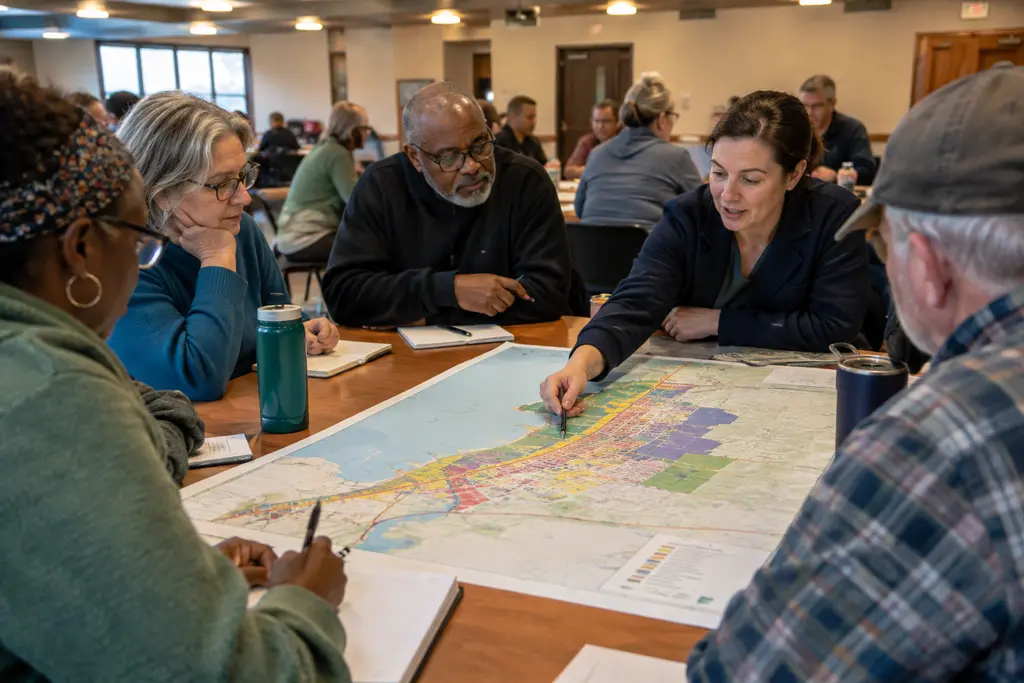
Public workshops and hearings are not the same as informal conversations. A workshop may be used to gather concerns, explain draft language, and identify issues for staff or commissioners to refine. A public hearing is often tied to a formal agenda item and creates a clear public record before a recommendation or vote. Both can matter, but they serve different civic functions.
That is why the phrase “workshop” should not be read as a final vote unless the posted agenda says so. Residents should look for the meeting body, the agenda item, whether public comment is listed, and whether the item is scheduled for introduction, discussion, hearing, recommendation, or adoption. Those details help residents know whether they are shaping early language or responding to a near-final proposal.
Data Center Rules And Public Input
What The Moratorium Discussion Means For Zoning
The data center moratorium discussion has put permanent zoning rules at the center of local attention. A moratorium, by design, is usually a pause or hold while a city studies and writes rules. The September 15 council record connects the moratorium proposal with Planning Commission work on permanent zoning amendments. For residents, that means the workshop process may be where practical concerns are translated into standards.
Possible standards could involve site operations, but this article does not assume final rules that have not been adopted in the cited record. What is supported is narrower: the council record points to public input on safety and operational impacts before permanent regulations are adopted. That leaves room for the Planning Commission and Common Council to define the scope, schedule, and language through future public action.
Michigan City Zoning decisions on this issue may affect residents, property owners, utility users, business operators, and nearby neighborhoods. The strongest civic approach is to track the official meeting path instead of relying on secondhand summaries. If a proposal changes between meetings, the posted version of the ordinance or staff report should be treated as the working document.
Questions Residents Can Ask
Residents attending a workshop or hearing may want to ask direct process questions. Which city body is leading the draft language? Will the Planning Commission make a recommendation to the council? How will public comments be recorded? Will draft zoning text be available before each hearing? Will the city publish changes between versions? These questions do not take a position for or against a project; they help clarify how public input becomes part of the record.
People can also ask how zoning conditions, if any are proposed, would be monitored after approval. That may include how noise, lighting, access, or water-related concerns would be reviewed under city rules. The answer may vary depending on the type of permit, the property, and the ordinance language under consideration.
Board Of Zoning Appeals Meeting Basics
Where The November 10 Meeting Fits
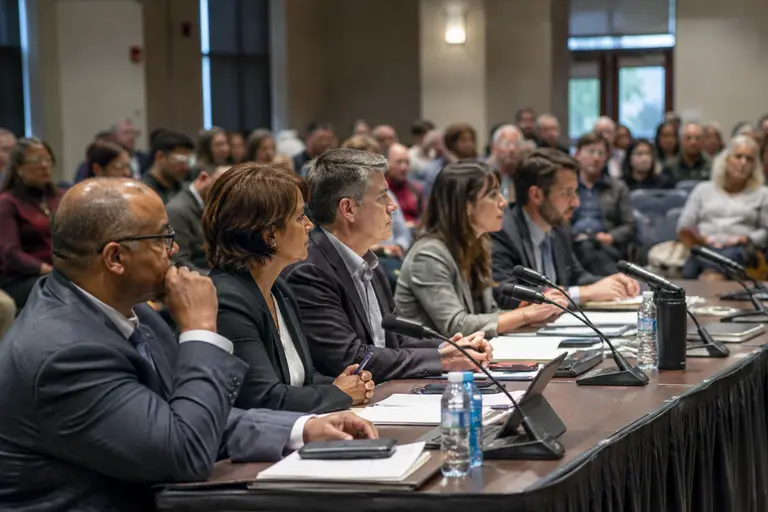
The next regular second-Tuesday Board of Zoning Appeals meeting after October 29, 2026, falls on Tuesday, November 10, 2026. Based on the city’s regular schedule, the meeting time is 6:00 PM CST in Council Chambers at City Hall. Residents should still confirm the final agenda because regular meetings can vary in content, and specific cases are set by posted notice.
This meeting is not the same as a data center workshop unless the agenda says so. It is a standing zoning board meeting. That difference is useful for residents because it shows that public engagement is not limited to one high-profile issue. Routine zoning requests can affect blocks, corridors, and neighbors in direct ways.
How To Follow The Record
For any Michigan City Zoning item, the public record is the best tool residents have. Agendas show what will be discussed. Minutes show what happened. Ordinance drafts show what language is under review. Staff reports, when available, can explain how a proposal fits current rules. Together, those documents help residents comment with accuracy.
Residents who cannot attend should look for written comment options and meeting materials through official city channels. If a workshop date is announced, the key details to confirm are the time, location, topic, public comment format, and whether the meeting will focus on listening, draft language, or a recommendation.
Michigan City Zoning Engagement Next Steps
What Residents Can Watch After October 29, 2026
The near-term civic path is straightforward. First, watch for official agendas connected to the November 10, 2026, Board of Zoning Appeals meeting. Second, track any Planning Commission or Common Council notices that schedule the required data center workshops or hearings described in the September 15 council record. Third, review the wording of any proposed zoning amendment before speaking, because small terms can have major practical effects.
Michigan City Zoning engagement works best when residents treat meetings as part of a sequence. A concern raised early at a workshop may shape staff review. A question asked before a hearing may lead to clearer language. A comment made at the right meeting may become part of the official record before a recommendation or vote.
For community members, the main task is not to master every zoning term. It is to stay connected to the official schedule, read the agenda, and speak to the decision being made. That keeps the process grounded in local facts and gives city boards clearer public input as they consider rules that may affect Michigan City neighborhoods, services, and future development.