Community Impact Events Link Michigan Makers
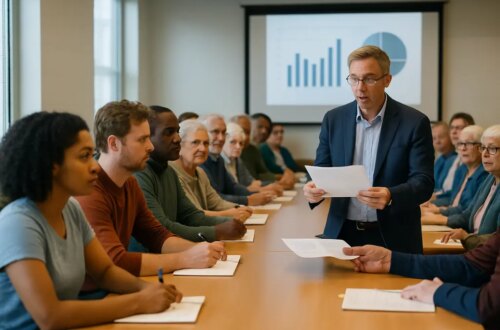
Community impact events are the center of the Great Lakes Event Network’s public-facing work in Michigan, with an emphasis on inclusive gatherings that support small businesses, artists, performers, and families. The organization describes itself as Michigan-based and says its work is built around accessible, transparent, and enjoyable events that strengthen creative and small business communities, according to the network’s about page.
Community Impact Events and GLEN’s Local Model
The Great Lakes Event Network, often referred to as GLEN, presents its work as more than event production. Based on the information available from the organization, its model centers on building public gatherings where vendors, performers, families, and community partners can meet in shared spaces. That matters for Michigan communities where small businesses and independent artists often rely on public-facing events to introduce their work to new customers.
The network’s stated values focus on access, transparency, creativity, and a community-first approach. Those words can mean different things in practice, so residents and vendors should look for clear event details, public participation options, and open communication before taking part. The available research does not provide attendance numbers, budgets, or dated event schedules, so claims about scale should be treated carefully unless confirmed by current GLEN announcements or host venue notices.
Community Impact Events Start With Access
For local vendors and artists, access can mean a chance to appear before regional audiences without having to create an event on their own. For families, access can mean programming that is intended to be welcoming and easy to attend. GLEN says it aims to make events enjoyable while keeping vendors, performers, and attendees informed. That kind of structure can help reduce confusion for participants, especially when events include many independent sellers or community partners.
Three Event Areas Under One Network
GLEN identifies three main divisions: Community Markets and Expos, Sports Entertainment, and Community Initiatives and Outreach. Each area serves a different public purpose. Markets and expos focus on vendors, artists, and pop culture-style gatherings. Sports entertainment connects fans, athletes, local businesses, and youth programs. Outreach work, operating under Willow’s Haven Outreach, includes collaborations with municipalities, schools, and organizations for resource drives, public safety fairs, and related public events.
Where Michigan Residents May See GLEN Events
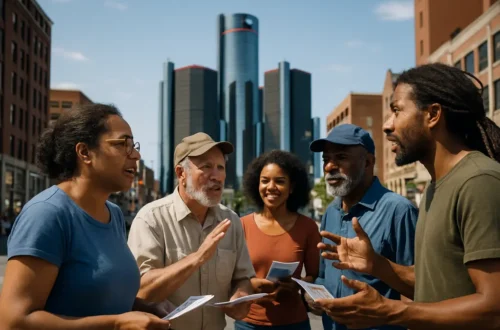
The network’s regional reach includes the Port Huron and Blue Water area, along with Southeast Michigan communities such as Detroit, New Baltimore, and Chesterfield. The research does not name specific venues or public agencies connected to each event, so residents should verify event location, parking, costs, vendor rules, and timing through current event notices before making plans.
For civic readers, the regional spread is worth watching because community impact events often depend on practical cooperation: available venues, public safety coordination, school or municipal participation, and local business support. Even when an event is privately organized, public agencies and community institutions may be affected by traffic, facility use, volunteer needs, and outreach goals.
Blue Water and Port Huron Area
In the Blue Water and Port Huron area, GLEN’s stated work connects local vendors and families through community-centered events. For residents, that can create more public opportunities to meet small business owners, artists, performers, and service groups in one setting. For vendors, the value is direct contact with people who may not find them through online listings or individual storefronts.
Southeast Michigan Communities
In Detroit, New Baltimore, Chesterfield, and nearby communities, GLEN’s event approach may serve both cultural and small business needs. The available information supports that the organization works in these areas, but it does not establish how often events occur in each city. Residents who want to attend or participate should check the most current announcements and confirm whether an event is a market, expo, sports entertainment program, or outreach activity.
What Vendors, Artists, and Families Gain
For vendors and artists, GLEN’s model is built around exposure and connection. The organization says it supports small businesses by hosting events that are accessible, transparent, and fun. That support is not the same as a guarantee of sales or audience size, and the research does not provide financial results for participants. Still, the format can offer a public platform for creators who want face-to-face contact with regional audiences.
Families may benefit from events that bring multiple activities, vendors, and performers into one community setting. This can be useful in areas where residents want local options that are not limited to large commercial venues. The strongest civic value comes when events are clear about admission, accessibility, safety expectations, vendor standards, and available community resources.
Vendor Connections Without Overstatement
Community impact events can help small businesses meet new customers, but local stakeholders should avoid assuming outcomes that have not been documented. A vendor market can provide visibility, networking, and direct feedback from shoppers. It cannot, by itself, prove long-term business growth without sales data or follow-up reporting. That distinction matters for chambers, downtown groups, and sponsors deciding whether to support future events.
Family-Oriented Programming and Performers
GLEN’s event mix includes artists, performers, and family-facing programs. Its sports entertainment division includes TRU Pro Wrestling, which the organization describes as independent professional wrestling with show cards and athlete development across Michigan. For families and youth programs, the key public questions are straightforward: where is the event, who is hosting, what does it cost, and what community partners are involved?
Volunteer and Sponsorship Pathways
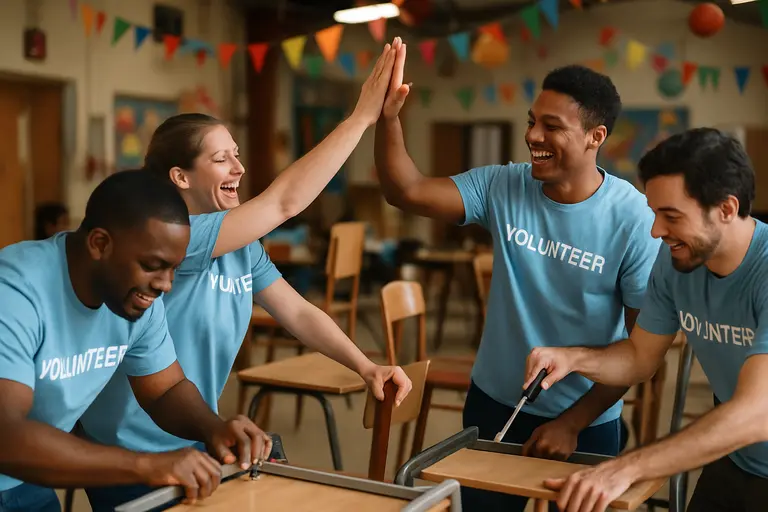
GLEN also describes volunteer and sponsorship options. Volunteer roles are presented as open to people of different ages who want to support event operations and community growth. Sponsorship programs are aimed at businesses and individuals that want visibility while backing local activities. As with any public event support, potential volunteers and sponsors should ask for clear expectations, schedules, points of contact, and any required permissions.
Community organizations comparing local engagement models across regions can also visit the related site in the same network, Houston LWS Forum. For Michigan residents, the more immediate step is to confirm local event details through GLEN or the host site before volunteering, sponsoring, or attending.
Volunteer Roles Open to Different Ages
Volunteer participation can make public gatherings easier to run, especially when events include setup, guest direction, vendor assistance, or outreach tables. The research does not specify exact volunteer duties, screening requirements, or training steps. Families, students, and civic groups considering volunteer work should request those details in writing before committing time.
Sponsors and Local Visibility
Sponsors often look for community visibility, but they also take on a public association with the event. Community impact events work best when sponsors understand the audience, the purpose of the gathering, and the local organizations involved. Clear sponsorship terms can help businesses decide whether their support fits their customer base and civic goals.
Community Impact Events Across Michigan
The Great Lakes Event Network’s public materials point to a practical civic idea: bring creators, vendors, performers, families, and community partners together through organized local events. That approach can support culture and small business activity without turning the work into a tourism pitch or making claims that are not backed by public data.
Residents in the Blue Water area, Port Huron, Detroit, New Baltimore, Chesterfield, and nearby communities should watch for current event notices, confirmed venues, participation rules, and any municipal or school partners connected to each program. Vendors should ask about fees, setup rules, expected hours, cancellation policies, and promotion plans. Volunteers should ask about duties and supervision. Sponsors should ask how their support will be used and recognized.
Questions Residents Can Ask
Before attending or supporting an event, residents can ask simple civic questions: Is the date confirmed? Is the location accessible? Are costs posted clearly? Which organization is responsible for operations? Are public safety, parking, and family needs addressed? These questions help keep local events useful and accountable.
Why the Model Matters Locally
Community impact events can give Michigan communities another way to connect people with local makers, performers, outreach efforts, and small businesses. The strongest measure of impact will come from clear event information, steady community participation, and public follow-up from organizers and partners. Based on the available research, GLEN’s work is best understood as a regional event network with a stated focus on access, creativity, small business support, and community connection.