MDOT Projects Set Michigan’s 2026-2030 Priorities
MDOT Projects approved for 2026-2030 give Michigan residents, local governments and business groups a clearer view of where state transportation dollars are set to go. The Michigan State Transportation Commission approved the final five-year program on November 6, 2025, setting out about $16.1 billion in planned investment, including about $10.7 billion for highway work and about $5.4 billion for multimodal programs such as public transit and aeronautics, according to MDOT’s announcement.
For communities, the program matters because state transportation plans shape road repair timing, bridge work, transit planning and freight movement. The figures do not answer every local question about construction staging, detours or business access, but they do show the scale of state planning now guiding work through 2030. As of October 7, 2026, the program is already part of the civic record, and residents should treat it as an active planning document rather than a proposal still awaiting approval.
MDOT Projects And The 2026-2030 Program
MDOT Projects Funding In Plain Terms
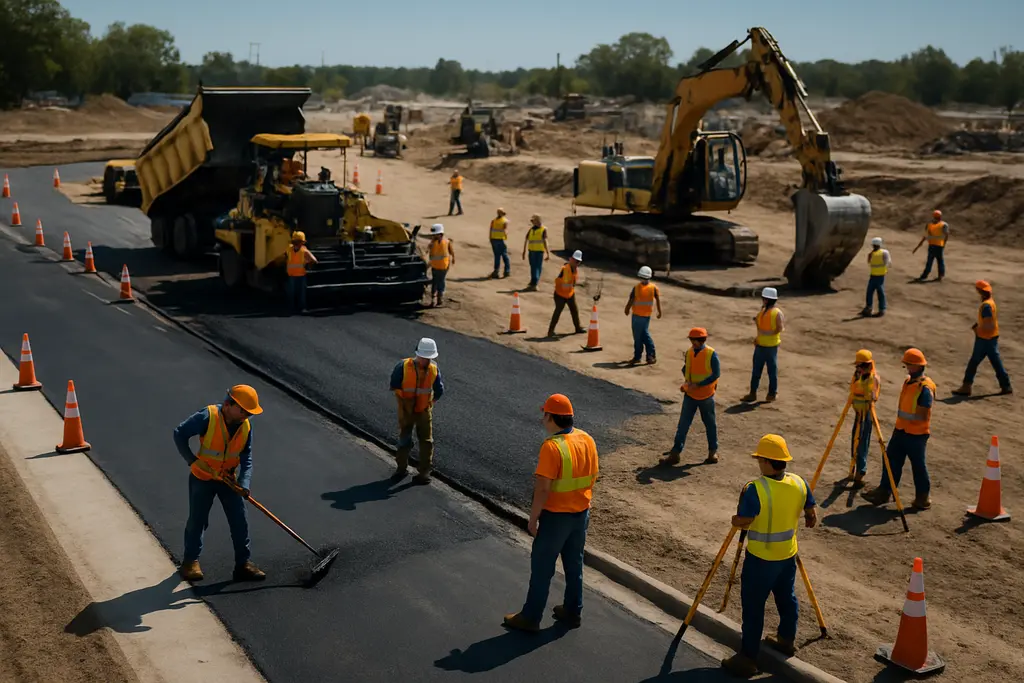
The approved five-year program places the largest share of funding in the highway program, which covers road and bridge repair and rebuilding. That matters for counties and cities because many visible construction impacts begin with state-level programming, then move through design, contracting, public notices and field work. While local street work often has separate funding sources, state trunklines and major corridors affect daily commutes, bus routes, school travel, emergency response and freight access.
For residents, MDOT Projects are not just pavement schedules. A bridge replacement can affect delivery routes and first-response travel. A resurfacing project can change school pickup patterns for weeks. Transit and aeronautics funding can matter to people who do not drive, employers that depend on worker access, and smaller communities connected to regional airports. The five-year program groups those priorities in one statewide framework, giving local officials a reference point when they plan budgets, coordinate utility work or request project briefings.
What Highway And Multimodal Work Covers
The research record supports two broad buckets in the approved program: highway investments and multimodal investments. Highway work includes road and bridge repair or rebuilding. Multimodal programs include public transit and aeronautics. That distinction is important because transportation needs differ across Michigan. A suburban corridor may focus on interchange pressure and commute reliability. A rural county may focus on bridge condition and access to hospitals or markets. A city neighborhood may place more weight on transit stops, sidewalk connections near road work, and safe crossings around construction zones.
Local officials, chambers of commerce and neighborhood organizations can use the five-year program as a starting point for questions rather than as the last word. The project list sets priorities, but residents still need clear updates on work windows, lane closures, noise, driveway access and how local utilities or county road work may overlap with state construction. Related local reporting on resident questions about Michigan infrastructure shows why timing and public communication often matter as much as the headline project cost.
What Changed For Detroit-Windsor Travel
Gordie Howe Bridge Opened On July 27, 2026
One of the largest recent transportation changes affecting Michigan was the opening of the Gordie Howe International Bridge to vehicular traffic on July 27, 2026. The six-lane bridge links Detroit and Windsor, Ontario, and the project cost CAD $6.4 billion, according to Associated Press reporting. Because that opening has already occurred, the public question has shifted from construction anticipation to how the corridor is functioning for cross-border travel, freight movement and nearby communities.
The Detroit-Windsor connection is not a local street project, but it has local consequences. Border crossings affect employers, logistics firms, manufacturers, travelers, customs operations and road networks that feed into the crossing. Communities near international freight routes often watch truck traffic, pavement wear, air quality discussions and emergency access closely. For those reasons, the bridge opening should be read alongside state transportation programming, not apart from it.
Why Cross-Border Capacity Matters Locally
The bridge adds a major route between Michigan and Ontario. For residents, the practical questions are local: whether traffic patterns change near connecting roads, how public agencies share data, and whether future road work around trade corridors is explained early enough for neighborhoods and businesses to plan. Public agencies have the clearest role in answering those questions through notices, traffic data, board updates and open meetings.
Business groups also have a role because transportation reliability can affect hiring, shipping, customer access and event planning. Local chambers, including the Trinity Chamber of Commerce, can assist in transforming state project information into actionable advice for the community. This includes informing employers and residents about expected detours, providing links to official project pages, and offering guidance on how to submit feedback before project designs are finalized.
How Communities Can Read The Project Pipeline
Questions For Local Meetings
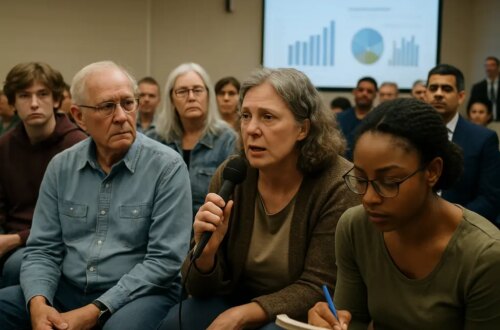
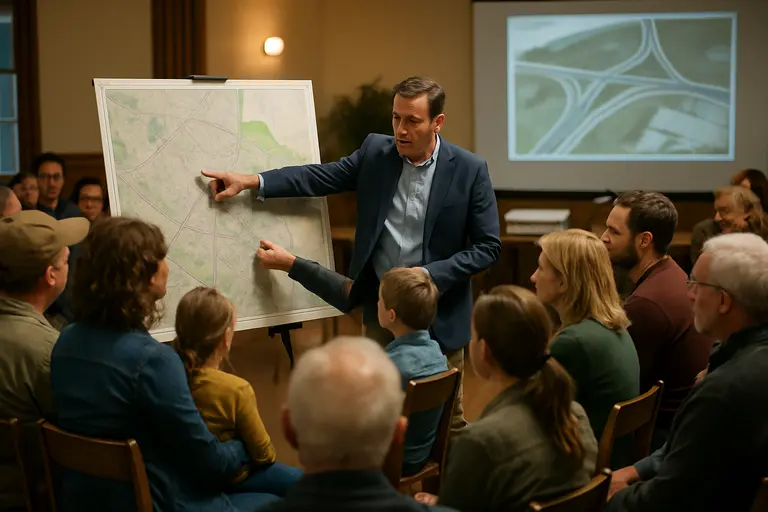
Transportation programs can feel distant until a lane closes or a bridge is posted. A better civic habit is to connect state plans with county, city and township agendas before construction begins. Residents can ask direct questions at public meetings, through public works offices, and in written comments when agencies announce studies or hearings.
- Which road, bridge, transit or airport project affects this community directly?
- What phase is the work in: planning, design, environmental review, bidding or construction?
- What dates have been published, and which dates remain estimates?
- How will emergency access, school routes and business driveways be handled?
- Which agency is responsible for updates: MDOT, a county road commission, a city department or a transit provider?
These questions help separate confirmed facts from assumptions. They also give local boards and commissions a clearer way to request information. A state program may identify funding direction, but project-level details often come later through engineering schedules, public notices and construction updates.
Where Residents And Stakeholders Fit
MDOT Projects often move through several steps before visible work begins. That creates openings for residents to raise access concerns, request plain-language updates, and ask how detours will be coordinated with school calendars, festivals, trash collection, snow routes or nearby private construction. The most useful feedback is specific: a driveway used by delivery trucks, a bus stop serving older residents, a school crossing, or a route used by fire and EMS crews.
Local governments can also use the state program to time their own work. If a state road is planned for rebuilding, a city may want to coordinate water, sewer, sidewalk or signal work so residents are not asked to endure repeated construction in the same corridor. That coordination is not automatic, and it depends on clear communication among agencies, contractors and the public.
MDOT Projects And Local Planning Choices
What MDOT Projects Mean For Civic Follow-Up
The civic value of MDOT Projects is strongest when the public can connect large statewide numbers to local decisions. The approved 2026-2030 program gives Michigan a funding and planning framework. The Gordie Howe International Bridge opening on July 27, 2026, marks a completed cross-border milestone with continuing local effects. Both deserve steady public attention, not alarm and not passive acceptance.
Residents can use the next round of city council, township board, county commission and chamber discussions to ask how state transportation work may affect local budgets, traffic control, transit access and business operations. The key is to rely on dated, official notices and agency updates. That approach keeps community conversations focused on confirmed timelines, documented funding and practical needs that can still be addressed before orange barrels appear.