Why Model School Library Matters in Lake Orion
The Model School Library recognition for Scripps Middle School Media Center gives Lake Orion a clear local example of how a school library can support learning, family connection, and community engagement. The Library of Michigan named the Scripps Middle School Media Center a Model School Library for the 2026-27 school year, and the recognition is tied to Michigan’s School Library Evaluation Program benchmarks for collaboration, literacy support, and resource availability, according to Michigan Culture Press.
What The Model School Library Award Recognizes
Model School Library Benchmarks In Practice
The award matters because it is not simply a compliment or a one-day honor. It is connected to stated evaluation benchmarks that look at how a library supports students, staff, and learning goals. For Lake Orion families, that means the recognition points to daily practices inside the school: access to resources, help with literacy, and collaboration between the media center and classroom instruction.
Scripps’ status is especially relevant because the media center earned Exemplary status through February 2027. That time frame gives the school and the community a visible period in which the media center can be studied as a working model. Residents can ask what is being done well, how those practices reach students, and which partnerships might be strengthened before the recognition period ends.
Why The Recognition Is A Civic Signal
For a community such as Lake Orion, a school library award is also a civic signal. Schools are among the public places where families, staff, students, and community partners meet around shared goals. When a media center receives recognition for literacy support and access to learning resources, it can help residents see the library as part of the community’s public learning system, not only as a room with books and devices.
The Model School Library designation also gives local stakeholders a common reference point. School leaders can point to an outside evaluation. Families can better understand why media center programming deserves attention. Public library partners can see where school-based learning and community-based learning may connect. A related local report on the Scripps library award also places the recognition in a wider Lake Orion context.
How Scripps Connects Students And Community
Programs That Bring Learning To Life
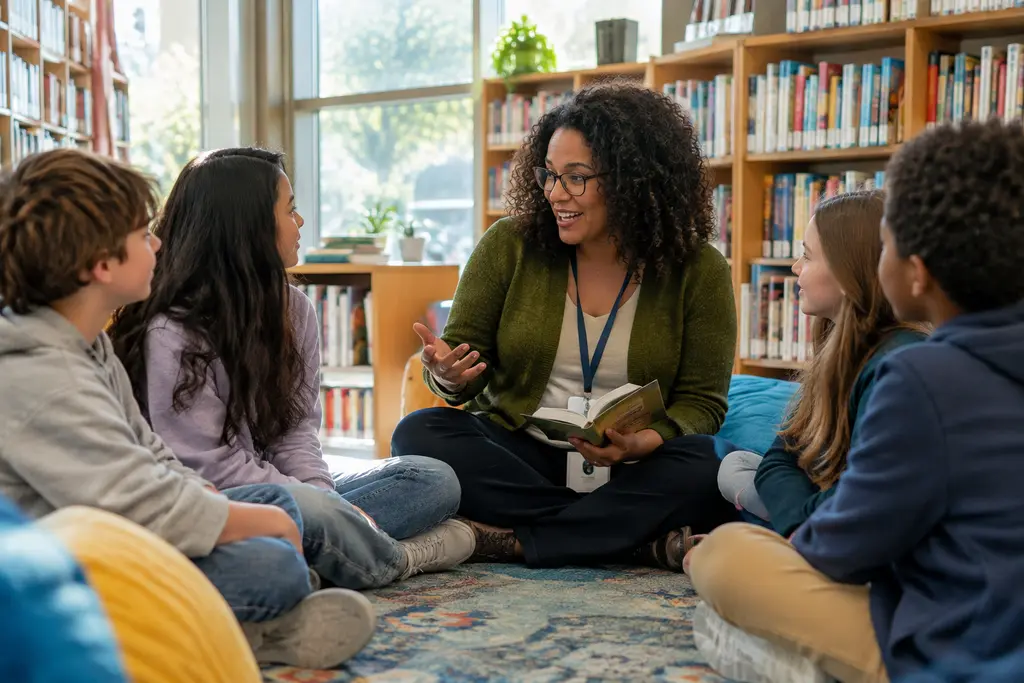
The recognition is tied to programming that goes beyond basic library service. Reported examples at Scripps include STEM days, Book Tastings that let students sample books, Hour of Code lessons, and partnerships with local public libraries. These activities matter because they give students different entry points into reading, research, technology, and problem solving.
For families, those programs can make the media center easier to understand. A student who takes part in a Book Tasting may come home with a stronger reason to read. A student who joins an Hour of Code lesson may begin to see technology as something they can create with, not only use. A STEM day can connect classroom ideas with hands-on learning. Each activity gives parents and caregivers a clearer picture of what school library work looks like in practice.
Public Library Partnerships Add Reach
Partnerships with local public libraries are especially useful for community engagement because they can connect school learning with after-school and family learning. The research notes identify local public library partnerships as part of Scripps’ core programming. That connection can help students see that reading, information skills, and learning resources are not limited to the school day.
These links also give the community a practical way to support students. Public libraries can offer space, materials, and programs outside school hours, while schools can help identify student interests and learning needs. Community readers who follow regional civic networks may also find the Richland Area Chamber useful for related local information about community connections.
Why Library Engagement Reaches Beyond School
STEM Learning Shows The Engagement Value
Evidence from outside Lake Orion helps explain why library-based programs can matter for student engagement. A 2026 pilot study of a public library STEM and nutrition program for 100 K-8 students in rural Appalachian Mississippi found that 94% of participants agreed or strongly agreed that they learned about science from the activity, and 98% said they had fun completing it, according to the study record on PubMed. That study was not conducted in Lake Orion, so it should not be treated as a direct measure of Scripps. Still, it offers a relevant example of how library-based learning can produce positive student responses.
The connection to Lake Orion is practical rather than speculative. Scripps has been recognized for programs that include STEM days and Hour of Code lessons. Those programs use the library as a setting for exploration, not only for quiet study. When students associate the media center with active learning, they may be more likely to return for books, research support, and technology-based projects.
Community Trust Starts With Accessible Programs
Community engagement is often strongest when residents can understand what a public institution does and why it matters. School libraries can sometimes be less visible than classrooms, athletics, or large public events. Recognition from the Library of Michigan gives the Scripps media center a clearer public identity and helps residents connect library services with student outcomes and community learning.
That visibility can also help future conversations about resources. The award does not, by itself, prove that every student need has been met. It does, however, give families, staff, and community partners a fact-based starting point for asking useful questions: Which programs are reaching the most students? Where could public library partnerships expand? How can literacy support remain consistent after February 2027?
What Lake Orion Can Do With The Recognition
Questions For Families And Community Partners
The next civic step is not only to celebrate the award, but to use it. Families can ask how students are introduced to media center programs during the school year. Community partners can ask where their support would fit existing library goals. School leaders can share more about how Scripps’ practices align with Michigan’s evaluation benchmarks and how those practices might inform other learning spaces.
- Ask how STEM days, Book Tastings, and Hour of Code lessons are scheduled and promoted to students.
- Look for ways public library partnerships can support students outside school hours.
- Use the award period through February 2027 as a window to gather feedback from families and staff.
- Connect library recognition to broader goals around literacy, research skills, technology use, and cultural learning.
A Measured Way To Build Community Support
The Model School Library recognition can also help Lake Orion talk about school investment in a grounded way. Rather than relying on broad claims, the community has a state-recognized example of a media center meeting or exceeding stated benchmarks. That can support clearer public discussion about what families value in school libraries and how local partners can help sustain effective programs.
For students, the most direct benefit is access to a media center that has been recognized for more than collections alone. For families, the benefit is a stronger connection between school learning and community resources. For local partners, the award creates a clear invitation to align efforts around literacy, technology, and youth engagement.
Model School Library Impact In Lake Orion
Why This Award Should Stay Visible
The Model School Library award matters in Lake Orion because it turns a school media center into a shared community reference point. It recognizes programming, partnerships, and access to learning resources at Scripps Middle School Media Center during the 2026-27 school year. It also gives residents a timely reason to ask how school libraries can support civic life through literacy, technology, and public partnerships.
As of October 24, 2026, the key point is clear: Scripps’ recognition is active, local, and tied to specific practices. The most useful response is steady community attention. If families, public library partners, and school leaders keep the conversation focused on student access and learning outcomes, the award can serve Lake Orion well beyond the announcement itself.